


Australia’s spirit of adventure is epitomized by the rugged coastlines and lush rainforest comprising the Great Ocean. It is not only a road but also a journey through stunning views, historical richness, and lively coastal towns. The Great Ocean Road tour, in fact, is one of Australia’s most famous scenic drives that attract tourists as an awe-inspiring, beautiful beach route or a gateway towards exploring unique natural formations and diverse wildlife habitats.

Apollo Bay Discovery
Apollo Bay is situated right in the middle of the Great Ocean Road, and it’s an adorable little seaside town offering relief to travellers on long trips as well as adventurers seeking new thrills. It has beautiful beaches stretching miles along with breathtaking scenery, and its locals are warm-hearted; hence, the community feels at home wherever you find yourself. Apart from being pictorially perfect, this vibrant town has activities like kayaking, swimming, or just lazing about on one of its sheltered beaches.
Things to do in Apollo Bay
Apollo Bay is a special seaside town known for its variety of natural attractions. For example, there are some amazing beaches, such as the main stunning beach at Apollo Bay, where golden sands meet the calm blue waters of the Southern Ocean. Here are some things you can do:
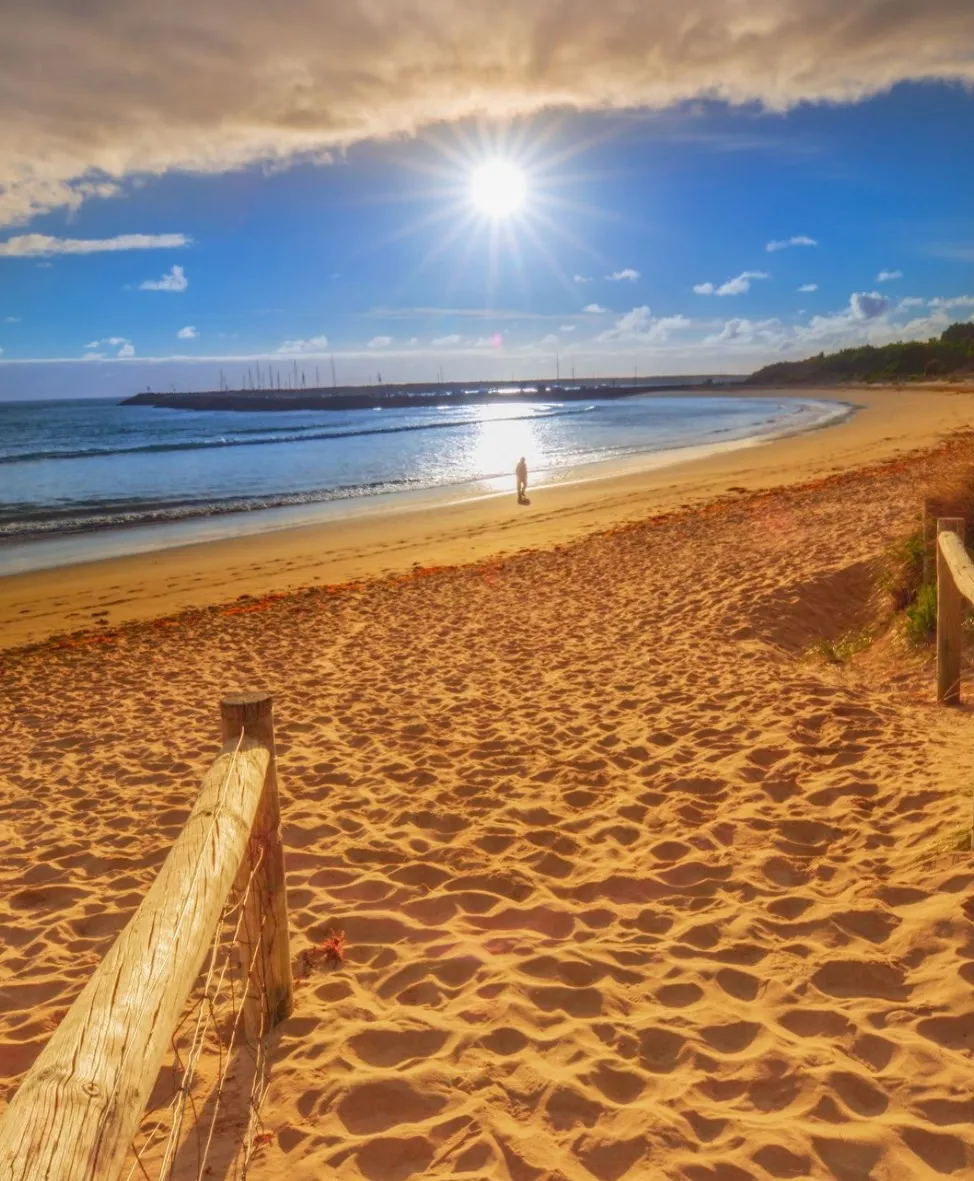
Relax or swim at the sandy beach: This one has safe bathing facilities, making it ideal for families.
Visit local shops and cafes: While shopping around for unusual souvenirs at charming shops, you can sample local food, especially fresh seafood.
This small beachside town however is more than just pleasing seashores; several art galleries and craft stores exhibit works by local artists whereby during your stay here you should make sure to attend monthly markets that sell local produce ranging from handmade crafts to unique artworks.
Loch Ard Gorge Mystique
Loch Ard Gorge is significant because it recalls an important chapter in Australia’s maritime history where the clipper ship Loch Ard sank off nearby Muttonbird Island in 1878. It is a natural wonder with towering limestone cliffs and a little sandy beach.
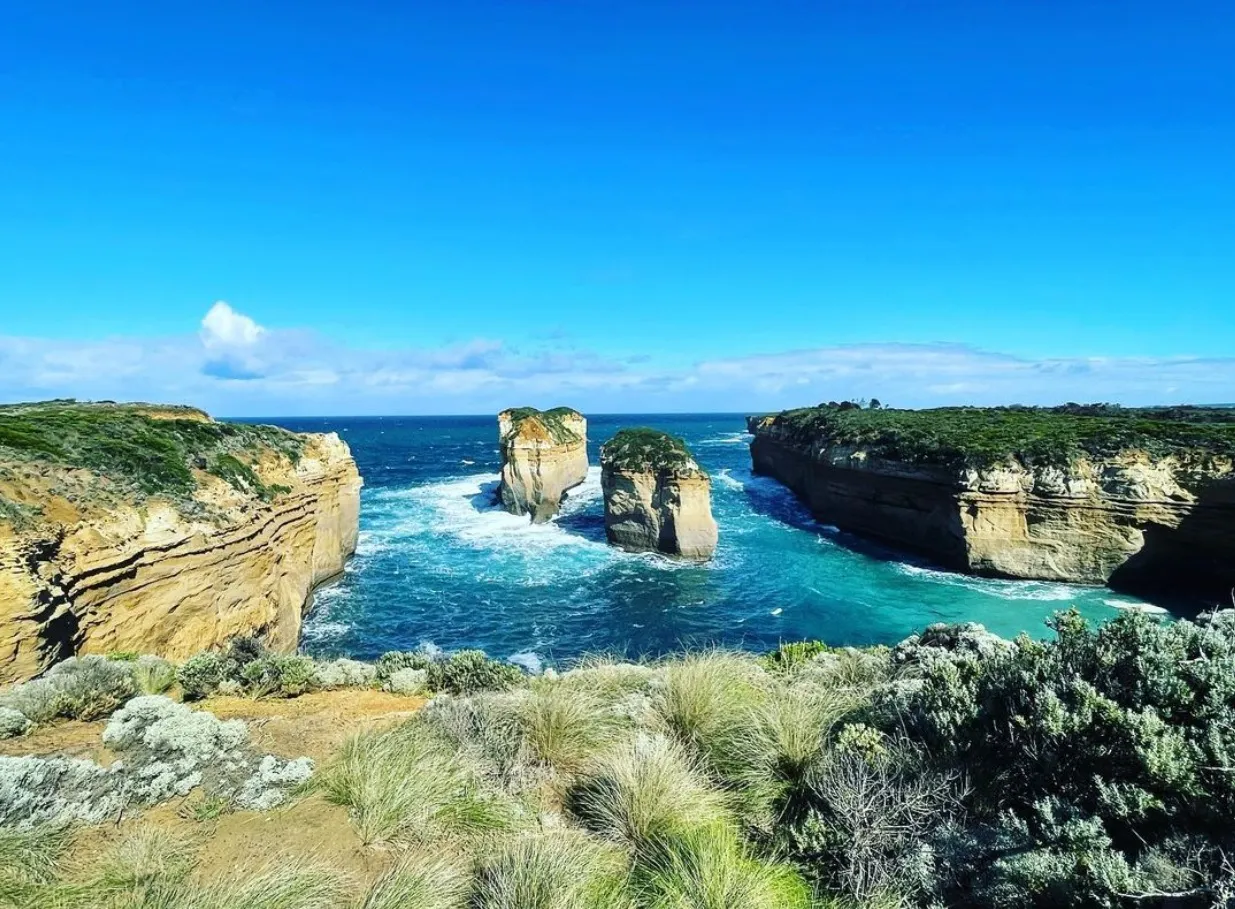
The geological features at Loch Ard Gorge are stunning to look at and reflect the forces of nature that have shaped this rough coastline over millions of years. Numerous walking trails allow visitors to see its towering cliffs that provide panoramic views of the Southern Ocean beneath them being one of the busiest spots in here showing how light plays on rocks while waves carve out new shapes every time they crash against them.
Activities in Port Campbell
There are various activities for those who would like to explore more of this beautiful park:
Hiking: Everyone can find a suitable trail, from short walks up to full-day hikes regardless their fitness level.
Birdwatchers are drawn by different ecosystems, where species like powerful owls or hooded plovers are frequently seen.
Besides hiking and bird watching, there are plenty of other interesting things for someone who loves geology. The rock formations found here not only serve as a visual treat, but also give us some insight into the area’s rich geological history including ancient volcanic activity and slow erosion by water.
This brief introduction to Great Ocean Road touches upon some aspects of this fantastic strip along the coastline. From historical allusions to physical traits to contemporaneous pleasures offered by oceanfront towns, one is sure to repeatedly encounter striking beauty that will never dry up an adventurous heart.
Port Campbell National Park
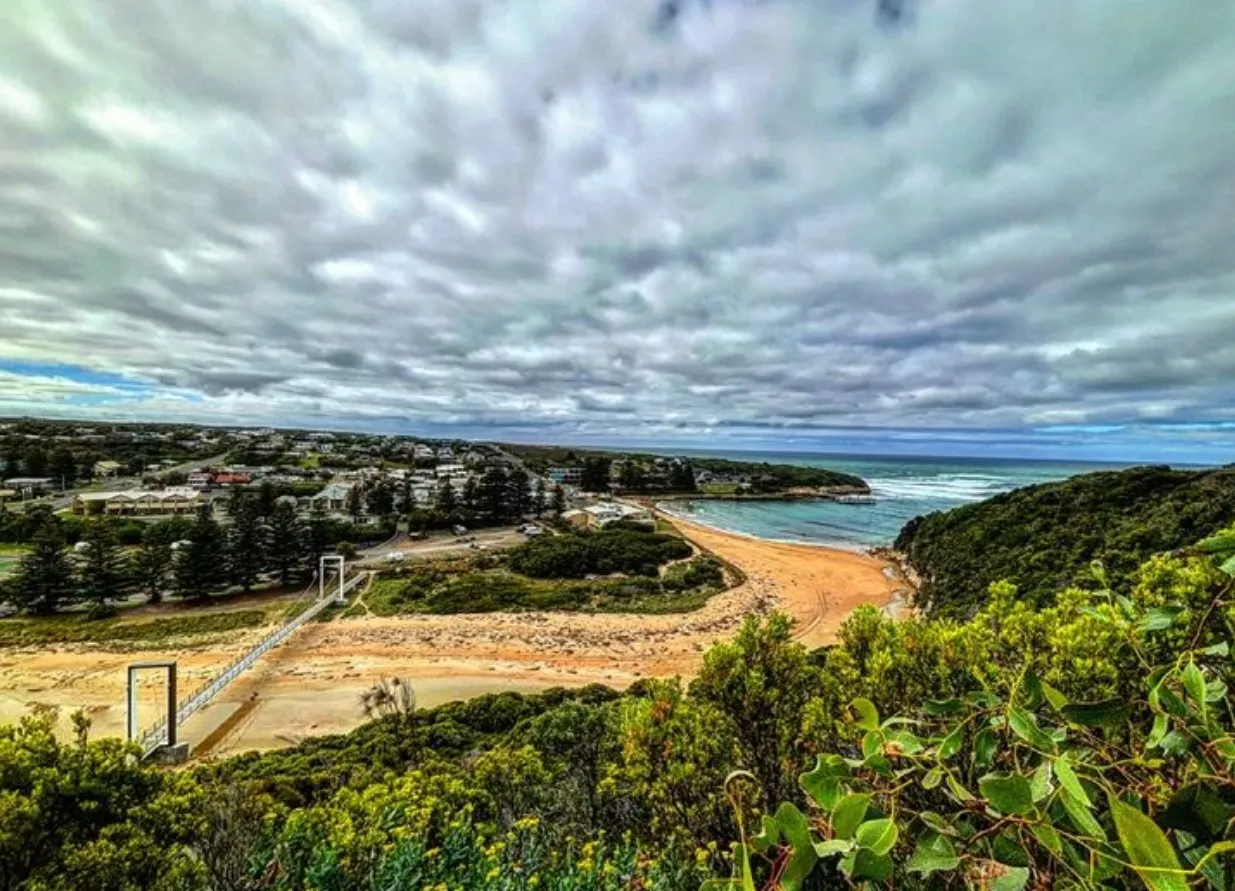
Port Campbell National Park is characterized by a variety of environments, among them limestone stacks known as the Twelve Apostles along its coastline. These rock formations have become a defining characteristic of the park and contain rainforests, gorges, temperate rainforests, and heathlands. The park has abundant wildlife, with the possibility of sighting koalas on eucalyptus trees, kangaroos on the fields and different birds that live in it.
Revealing 12 Apostles Coast
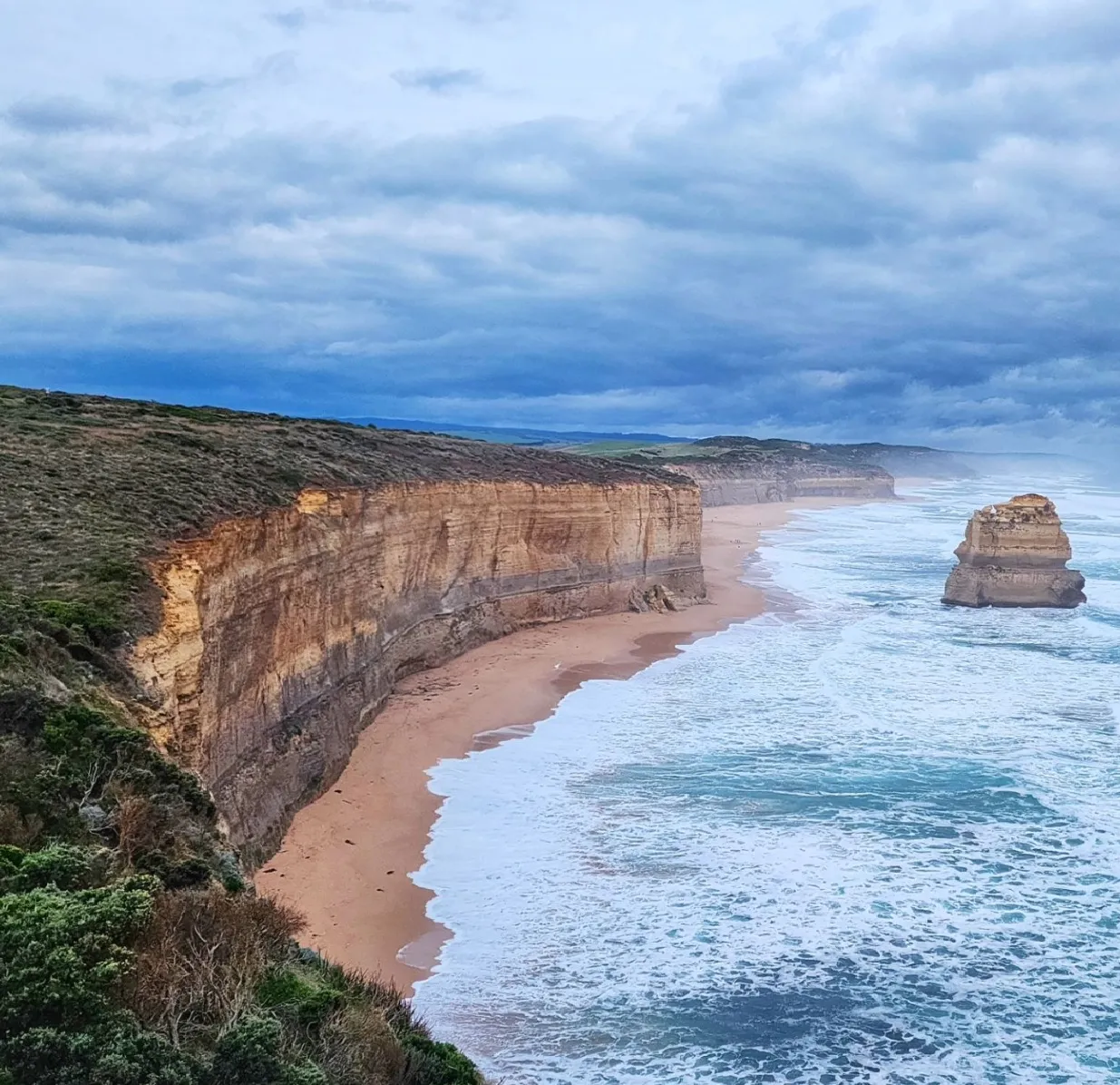
This landmark point along Great Ocean Road is home to 12 Apostles; tall limestone columns that grace up from Southern Ocean waters are an attraction for tourists. Having been pounded for thousands of years by waves from the ocean, these gigantic rocks became coastal custodians in Australia. Each Apostle stands for nature’s art of endurance. They look best during sunrises or sunsets when changing sky colours provide a breathtaking backdrop, and the water and rocks turn into vibrant palettes.
Loch Ard Gorge & The Grotto
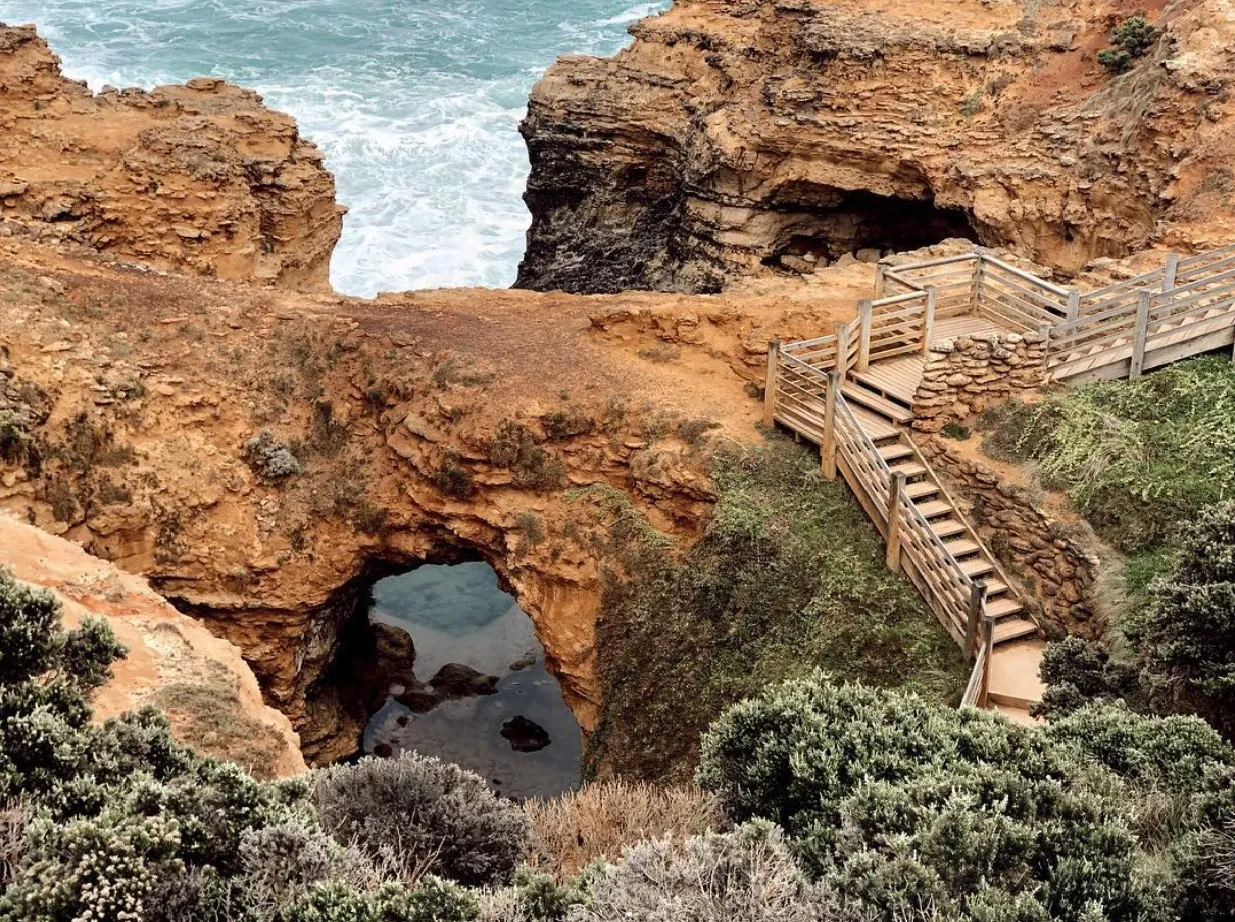
For those who prefer more serene surroundings, Loch Ard Gorge and The Grotto, located near the 12 Apostles, are also magnificent. Loch Ard Gorge is rich in history and natural beauty, and everyone tends to be interested in this formation due to its rock pool with an archway under it that opens out onto the ocean. Such formations can be viewed from the stairs constructed above the cliff so one can observe them closer, feeling all the mightiness of ocean waves sprinkling his face.
Outdoor Thrills and Recreational Activities
The adventure seekers have got several activities designed purposely to take various advantages of its vast landscapes hence offering different experiences. There is something here for every adventurer ranging from heart-stopping surfing at Bells Beach to quiet walks through rain-forests full ferns.
Surfing at Bells Beach: It is world famous for its powerful swells, hence making it a favorable place for surfers especially during the Rip Curl Pro competition.
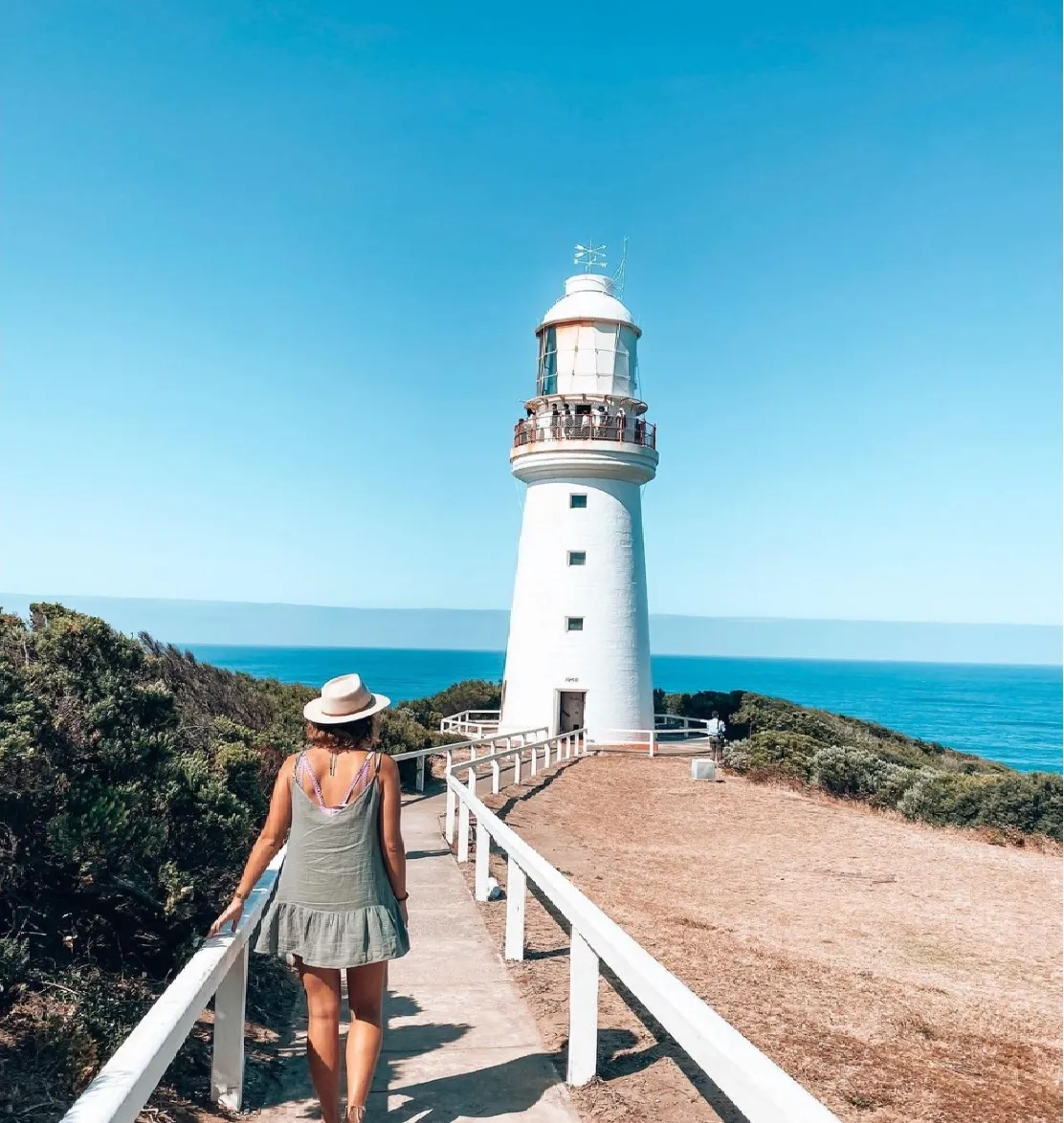
Walking and hiking: To get a more peaceful walk in nature, start from Apollo Bay to Cape Otway Lightstation which is located at history. This walk goes along untouched beaches with rugged coastlines offering beautiful views as well as native wildlife.
Immerse Yourself in Local Culture
Additionally, this is a cultural corridor that has multiple small towns, each with its own unique blend of local art, crafts, and culinary delights. For instance:
Eat Australian meals at beachside restaurants and cafes where fresh seafood can be found.
Join in local markets and festivals that bring the community together to celebrate the tie between them and the sea/land.
Conclusion
Rather than just being a road, Great Ocean Road is a fascinating destination marked by diverse landscapes, interesting historical background and a lively culture. It caters for all kinds of tastes starting from solitary beach walks to interactive Australian wildlife encounters or extreme outdoor activities. The iconic Australian journey invites visitors into this beauty while challenging them never to live untouched by its natural splendour or the warmth of its people.
FAQ
When should I visit the Great Ocean Road?
Great Ocean Road is best visited during autumn (March-May) or spring (September-November), referred to as shoulder seasons due to mild weather conditions and fewer tourists. Moreover, spring offers flowering wildflowers that add colour to the coastal landscape.
Can we travel to Great Ocean Road over the weekend?
It is possible, but better to do it within three to five days if you want to do and see everything. This will allow stopping at various points of interest, spending time at the beach, taking walks around local towns and catching a sunrise or sunset over the ocean.
Are there any under-visited places along Great Ocean Road that are not known yet?
Which activities suit families best on Great Ocean Road?
The beaches have gentle waters, live wildlife parks and informative trails that teach about the natural and cultural heritage of the area. Otway Fly Treetop Adventures is an adventure park with zip lines and canopy walks for all ages.
What precautions should I take when observing local wildlife?
To observe native animals in their natural habitat without causing them harm or put oneself in danger bear in mind always keep distance from them, never feed them, go where you are told to follow and stay on tracks. Kennett River Koala Walk lets visitors see koalas in their natural habitats while Tower Hill Wildlife Reserve hosts emus, kangaroos among others in an ex-volcano’s crater.
What is the best time to visit the Great Ocean Road?
To a large extent, the best season to visit the Great Ocean Road will depend on what you want to see. Here are some guiding factors:
Spring (September to November)
Climate: Mild temperatures and wild flowers in bloom.
Pros: Ideal for walking and outdoor pursuits, fewer people than in summer.
Highlights: Watch out for native wildflowers flowering at this time while knowing where to find koalas and kangaroos.
Summer (December to February)
Climate: Warm to hot weather suitable for beach activities.
Advantages: Long days excellent for beaches and swimming.
Highlights: This is a preferred period when most people visit coastal cities and engage in beach activities. Nevertheless, it is often crowded especially during school holidays or weekends (World Guides To Travel) (GetYourGuide).
Autumn (March to May)
Climate: Cooler, clear sky with lesser tourists.
Benefits: Fine conditions for looking around as well as beautiful fall colors.
Highlights: Excellent opportunity of having scenic drives with decreased masses. During Autumn there is quieter atmosphere making it more relaxing experience.
Winter (June – August)
Climate: Wetter cold seasons but accompanied by bleak coastal panoramas.
Benefits: It is off-peak season hence quieter times here compared with others
Highlights:The winter stormy seasons give rise to breath-taking waves as well as seascapes. This also serves as an excellent moment of viewing whales that move towards coastlines along the ocean(World Guides To Travel)(GetYourGuide) .
Summary
Best Overall – Pleasant weather and less crowded Spring & Autumn
Beach Activities – Summer although prepare for huge crowds
Scenic Beauty & Silence – Winter especially dramatic sceneries plus whale watching
A consideration of these factors will help you select the best time for your own trip down Great Ocean Road, which would be tailored according an individual’s interests including what one might naturally like doing most of all.